


Does family history increase your chances of developing cataracts?
Cataracts are a common reason vision changes as we get older. You might be wondering, are cataracts hereditary or just a normal part of aging? Genetics can increase your risk, but they’re only one piece of the puzzle. How your eyes age, your overall health, and your everyday habits all play a role in how cataracts develop. Knowing these factors can help you take care of your vision and spot changes early, so you know when it’s time to check in with your eye doctor.
Key Points
- Family history can raise your chances of developing hereditary cataracts.
- Both aging and genetic mutations can affect the lens of your eye over time.
- Lifestyle and medical factors also influence the formation of cataracts.
Understanding Cataracts
A cataract forms when the lens of the eye becomes cloudy instead of staying clear. In a healthy eye, lens proteins stay neatly arranged so light can pass through without trouble. When these proteins become damaged and start to clump together, the lens loses its clarity and your vision can look blurry or dim.1
Inside the lens of your eye, tiny lens fiber cells line up in smooth layers that create the lens microarchitecture. This structure develops early in life and stays fairly stable, helping maintain long-term eye lens transparency.2
As cataracts progress, vision changes usually appear gradually.3 Early signs can be easy to miss, and many people don’t notice a problem until daily tasks start feeling harder than usual.1
Symptoms of cataracts
The most common symptoms of cataracts include:1
- Cloudy or blurry sight
- Increased glare from headlights or sunlight
- Colors appear faded
- Double vision
- Frequent changes in glasses or contact lenses prescriptions
- Difficulty seeing in low light and at night
Early signs of cataracts can be subtle. As they progress, vision changes typically develop slowly rather than all at once.
What Causes Cataracts?
Cataracts develop for many reasons, and most cases involve aging, genetics, health conditions, and/or environmental factors. Some causes are part of the normal aging process, while others relate to your lifestyle or inherited traits.1
Several factors increase the risk of cataracts forming in your eyes.
Aging
Natural changes inside your eye are the most common reason cataracts develop. The age-related cataract forms as the eye’s lens gradually becomes thicker and less flexible over time. One widely studied subtype, the age-related nuclear cataract, affects the central portion of the lens and often appears later in life.2
Environmental and lifestyle factors
Daily habits and long-term exposures can speed up changes in the lens. The following factors are known to raise risk:
- UV radiation and long-term UV exposure from sunlight3
- Smoking and diabetes, which can damage eye tissue1
- Poor overall nutrition, which affects long-term eye health4
Injuries and medical conditions
Physical damage and certain medical issues can also lead to cataracts. Common contributors include:3
- An eye injury, which can lead to traumatic cataracts
- Previous eye surgery or chronic eye inflammation
- Long-term use of steroid medications
These external and medical factors matter, but inherited traits also play a significant role in how likely you are to develop cataracts.
How Genetics Influence Cataracts
Some babies are born with a higher chance of developing cataracts because of changes in the genes they inherit. Certain genetic differences can influence how well the lens stays clear over time.5
These genetic changes can affect how lens crystallins are made or folded. Crystallins are the main structural proteins in the lens, and they’re responsible for keeping it clear and stable. When these proteins don’t form properly, they can lose their shape more easily, which makes it harder for the lens to stay clear as you age.2
This area of research is part of ophthalmic genetics and helps clarify the genetic link between inherited traits and cataract development. When genetics play a stronger role, hereditary cataracts may show up earlier in life compared with typical age-related cataracts.
Types of hereditary cataracts
Inherited cataracts can look different depending on where the clouding develops in the lens.
- Congenital cataracts appear at birth or in early childhood. They can be linked to certain genetic disorders, including Down syndrome. Changes during early lens development play a big role in how these cataracts form.5
- Cortical cataracts (congenital) affect the outer edges of the lens and gradually work their way toward the center. When family history plays a role, the changes often relate to how the outer layers of the lens stay organized and function as you age.4
- Nuclear cataracts (congenital) develop in the central part of the lens. Inherited changes that affect protein stability and normal aging can increase the chances of developing an age-related nuclear cataract.2
- Lamellar (Zonular) cataracts is the most common form of congenital cataract, characterized by clouding in one or more layers of the lens surrounding the clear center.
- Anterior polar cataracts develop in the front center portion of the lens.
- Posterior polar cataracts develop in the back center portion of the lens.
- Posterior subcapsular cataracts form near the back surface of the lens and often progress faster than other types. Certain genetic conditions and some medications can raise the risk of this type.4
Are Cataracts Always Hereditary?
No. Most cataracts aren’t hereditary. Aging is still the most common cause, even if no one in your family has ever had cataracts.1 Genetics can influence when clouding starts, but many people develop cataracts simply from getting older or living with long-term health conditions.
Hereditary cataracts usually appear earlier in life and often show up in several relatives.3 When cataracts begin later in adulthood, they’re far more likely to be age-related or connected to your lifestyle and medical factors rather than inherited changes.
Knowing if your cataracts might be hereditary can help you plan regular eye exams and decide when to check in with an eye care professional about your personal risk.
Can Hereditary Cataracts Be Prevented?
Inherited cataracts can’t be fully prevented, but there are steps you can take to keep your eyes healthy and potentially slow cataract progression.
- Protect your eyes from sunlight: Wearing UV-blocking sunglasses reduces daily UV exposure and helps protect the lens of your eye.1
- Make healthy lifestyle choices: Quit smoking, avoid excessive alcohol consumption, and use protective eyewear when needed.1
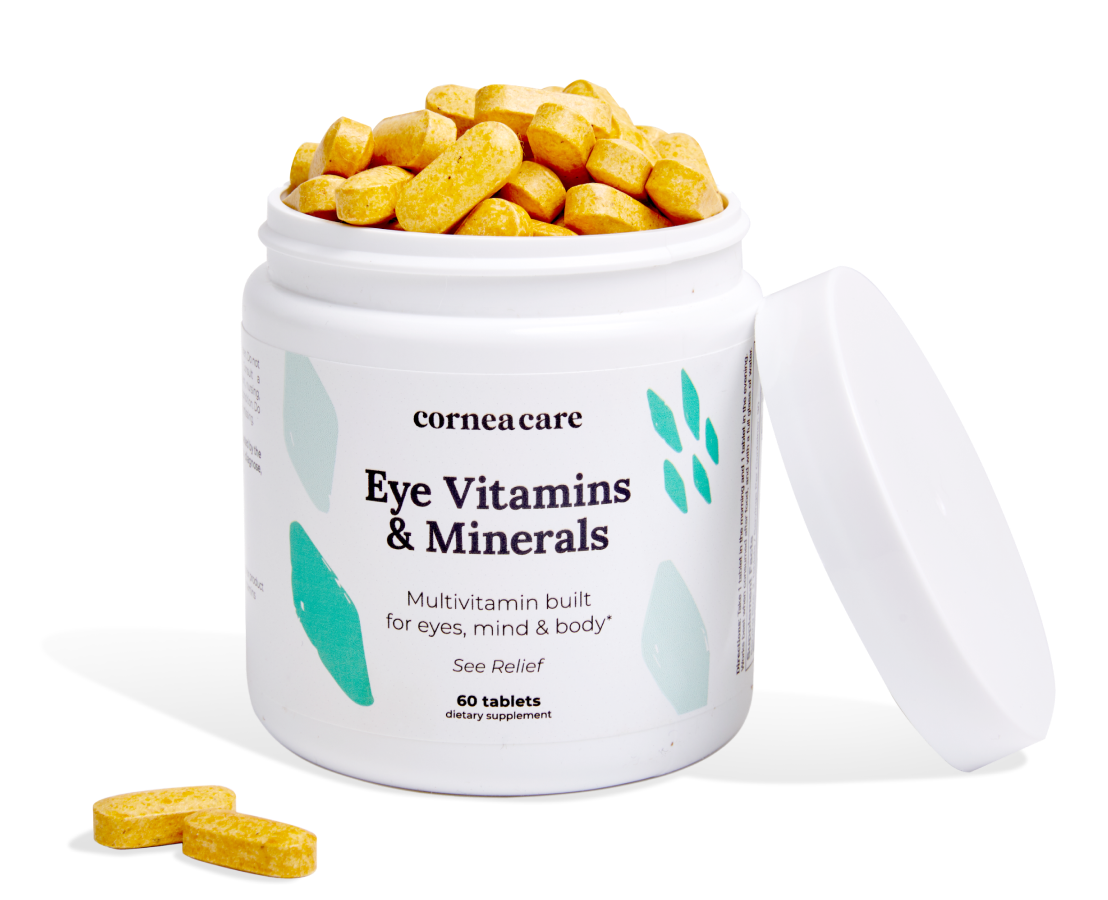
- Nutrition and supplements: A diet rich in antioxidants supports your overall eye health. CorneaCare Omega-3 supplements and targeted eye vitamins can help fill nutritional gaps in your diet to help you maintain healthy eyes.
- Support eye surface health: Dryness or irritation won’t cause cataracts, but they can make your symptoms feel worse. Using CorneaCare preservative-free artificial tears can keep your eyes comfortable.
- Manage other eye conditions: Work with your eye doctor to treat any other eye conditions and keep your eyelids clean with gentle products, like CorneaCare eyelid wipes.
These steps won’t reverse cataracts, but they may help slow progression and keep your eyes feeling comfortable.
Can Genetic Testing Determine If You’ll Get Cataracts?
Genetic testing can sometimes identify known genetic mutations that are linked to inherited lens problems. This is useful in cases of congenital cataracts or strong family histories of early-onset cataracts.6
Testing looks for markers that are tied to:
- Abnormal lens development
- Faulty production of lens crystallins
- Known genetic disorders affecting eye tissues
Your doctor may recommend genetic counseling when a strong genetic link is suspected. Counseling can help you and your family understand the risks, inheritance patterns, and what to expect.6
Are Cataracts Hereditary? FAQ
Your risk of developing cataracts goes up as you get older, but other factors can play a role too. Having a strong family history, diabetes, long-term steroid use, or significant UV exposure can increase your chances. Previous eye injuries or ongoing eye inflammation also raise the risk of vision changes.1
Most cataracts develop gradually after age 60, though hereditary cataracts can appear much earlier. Congenital cataracts may even be present at birth or develop during childhood.3,5
Aging is the most common cause, but several things influence how quickly they form. UV radiation, eye injury, certain medical conditions, and genetic factors all contribute to changes in the lens of your eye.1
You can’t fully prevent cataracts, but steps like wearing UV-protective sunglasses, keeping your eyes healthy with routine eyelid hygiene, eating a nutrient-rich diet, and taking targeted eye vitamins and supplements can help protect your eyes and slow changes over time.1
Putting It All Together
Your family history can influence your risk for cataracts, but aging remains the most common reason they develop. Sun exposure, health conditions, eye injuries, and certain daily habits also affect how quickly your vision may change over time.
When cataracts start to interfere with your reading, driving, or other everyday activities, cataract surgery becomes a reliable option. During the procedure, the cloudy natural lens is removed and replaced with an artificial lens, which restores clearer vision for most people.1 Catching symptoms early and keeping up with regular eye exams can make the timing of treatment feel more manageable.
Simple habits can protect your eyes. Wearing UV-protective sunglasses, keeping up with routine eye care, and staying aware of your family history can help you take action earlier and protect your vision as you age.
What’s Next
We think you’ll find these other articles on cataracts interesting: